Travel to the Central African Republic
In the heart of Central Africa, the Central African Republic stretches between Chad to the north, Sudan and South Sudan to the east, the Democratic Republic of Congo and the Republic of Congo to the south, and Cameroon to the west. These borders shape a fascinating territory where dense forests, majestic rivers, and authentic villages follow one another.
The country has 6.4 million inhabitants, a diverse population deeply attached to its traditions. Made up of many ethnic groups, most people live in rural areas, following the rhythm of nature, agriculture, and fishing.
For lovers of wide-open spaces and genuine human encounters, travel and safety in the Central African Republic are closely linked. Preparing your trip well allows you to enjoy the country’s natural and cultural riches while staying at ease. Between safaris, rainforest explorations, and moments shared with local communities, the Central African Republic offers a unique adventure, where you move peacefully, guided by curiosity and respect.
What language is spoken in the Central African Republic?
In the Central African Republic, cultural diversity is reflected in its languages. French is the official language of the country. It is used in administration, education, and public life. Alongside French, Sango holds an essential place. It is the national language, understood and spoken by the vast majority of the population, and it often serves as a common language between different communities.
For travelers, learning a few words in Sango can make exchanges easier and create warmer connections.
What cultural experiences or traditional events are worth discovering in the Central African Republic?
The Central African Republic is also discovered through its people and their traditions. For a trip to the Central African Republic, it is important to immerse yourself respectfully in these moments of life.
In the villages, music and dance are part of daily life: people sing and play the tam-tam to celebrate life, harvests, or important community events. Witnessing these moments helps you understand a culture passed down through generations.
Local crafts are another way to connect with the daily life of the people. In markets or workshops, you’ll find wooden sculptures, masks, and handmade objects. Each piece tells the story of the communities. Buying them directly supports artisans and helps preserve their skills.
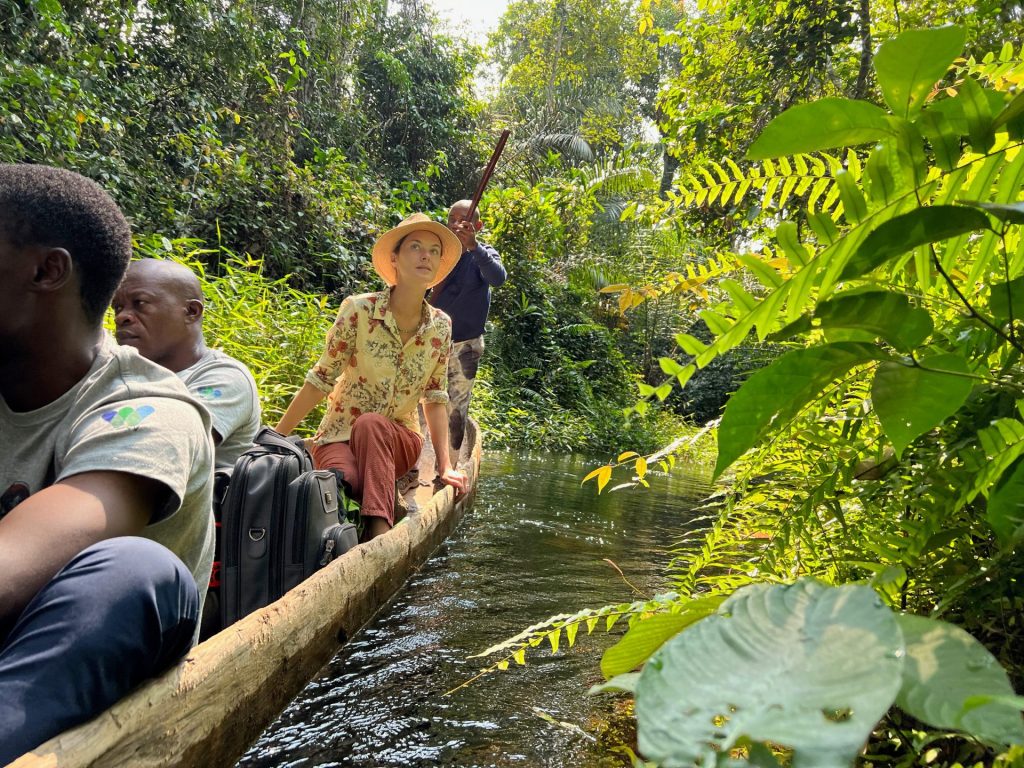
In the southwest, around Dzanga-Sangha, some Indigenous communities, such as the BaAka, welcome visitors to share their daily life. They show how they live in harmony with the forest and which plants are used for healing or cooking. These encounters are always done with respect so as not to disturb the environment.
What is the gastronomy of the Central African Republic?
Tasting the local cuisine is an essential part of discovering the country. Dishes are simple, flavorful, and prepared with local ingredients such as cassava, maize, yams, rice, or smoked fish. Sauces made from local leaves, peanuts, or okra often accompany the meals, creating a true explosion of flavors.
Meals are also moments of sharing: in villages, people often invite visitors to taste their specialties, offering an authentic cultural immersion. By following local hygiene and safety advice, enjoying these dishes becomes a safe and pleasant experience, contributing to a successful trip and safe stay in the Central African Republic.
Which regions of the country are considered the safest for travel in the Central African Republic?
When talking about travel and safety in the Central African Republic, it is important to know where you can move around with more peace of mind. Even though some areas remain sensitive, most regions are stable and open to exploration.
The Dzanga-Sangha region, in the southwest near the borders with Cameroon and Congo, is one of the country’s treasures. It is also a very safe area where travelers can discover exceptional nature and wildlife with confidence. Bangui, the capital, also remains secure.
Which national parks and reserves are the most accessible for wildlife observation in the Central African Republic?
For a trip to the Central African Republic, Dzanga-Sangha is the top destination. Located in the southwest, this protected area is well-managed, allowing visitors to enjoy untouched nature and outstanding wildlife safely.
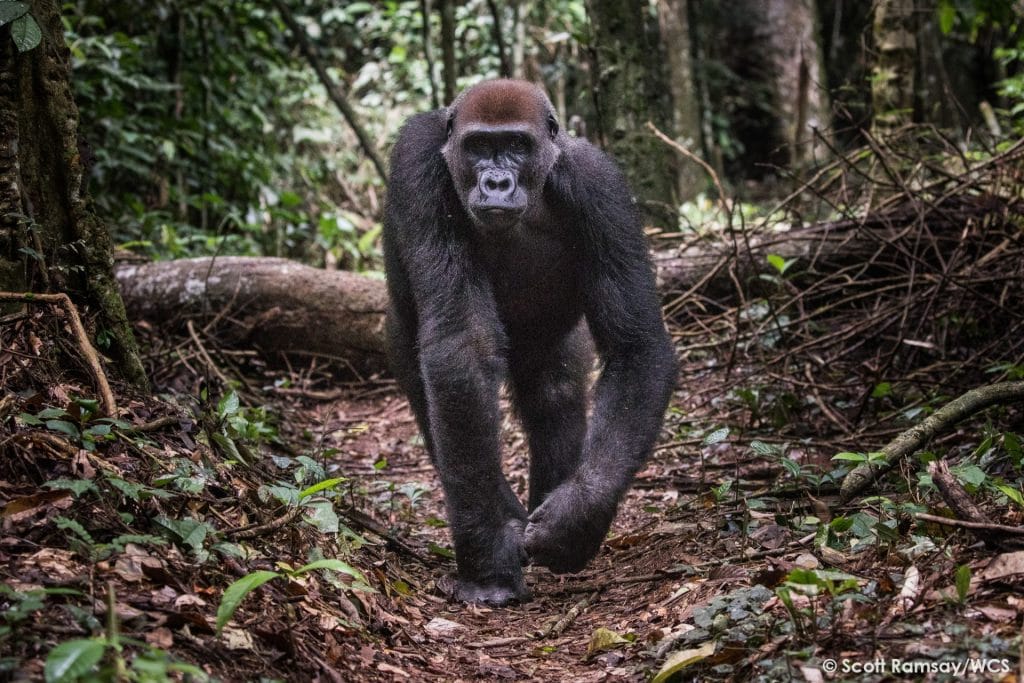
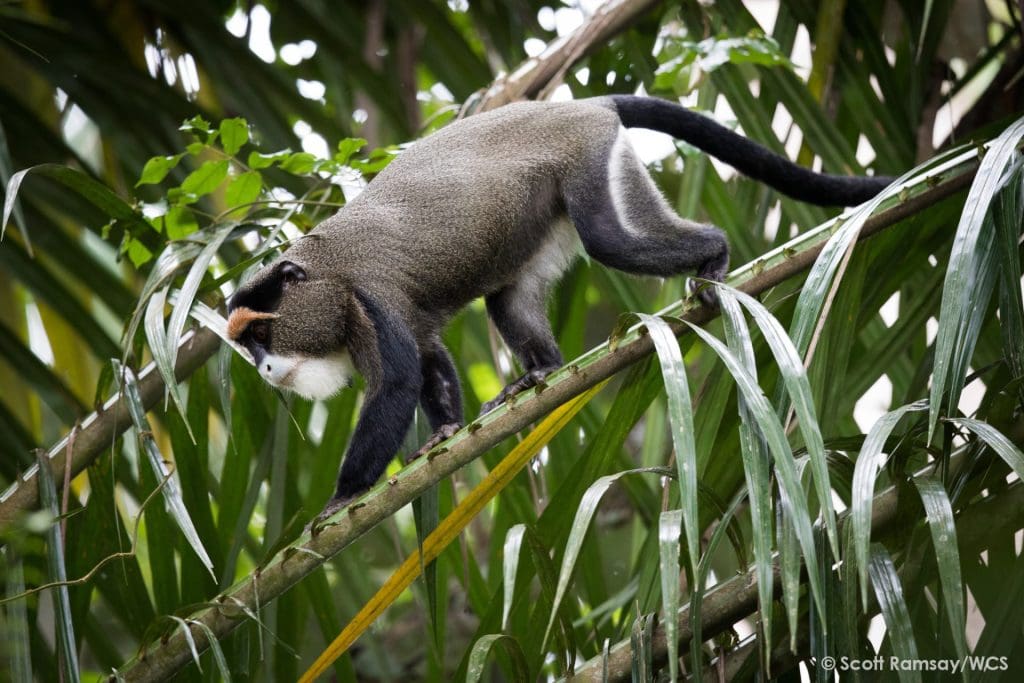
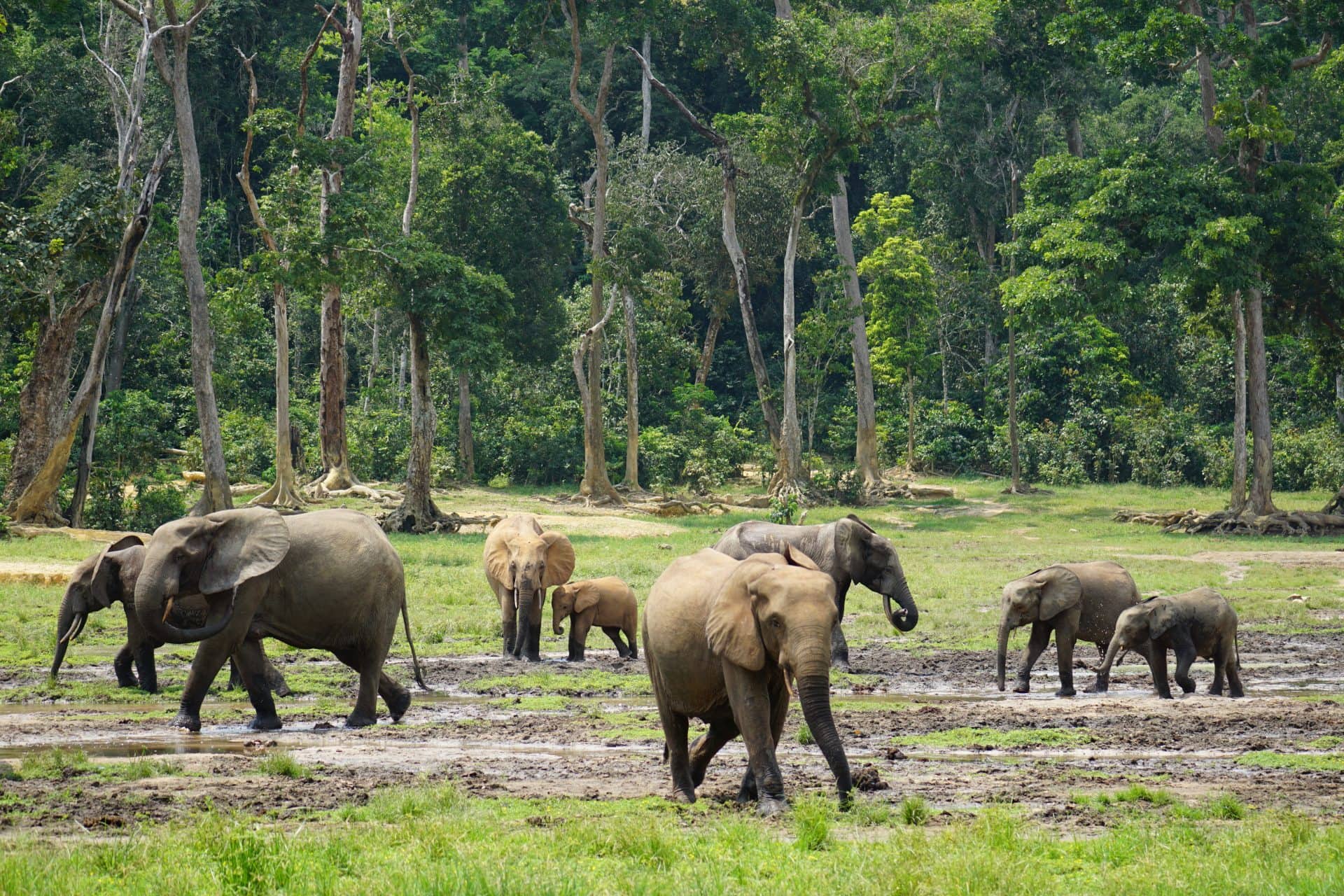
Visitors can see forest elephants, bongos, and other species in the famous Dzanga Bai, a UNESCO World Heritage site. It is also possible to observe Western lowland gorillas, an emblematic species of the region. Tracking a gorilla group is a unique and unforgettable experience.
Other protected areas, such as Bamingui-Bangoran National Park or certain local reserves, also offer remarkable experiences.
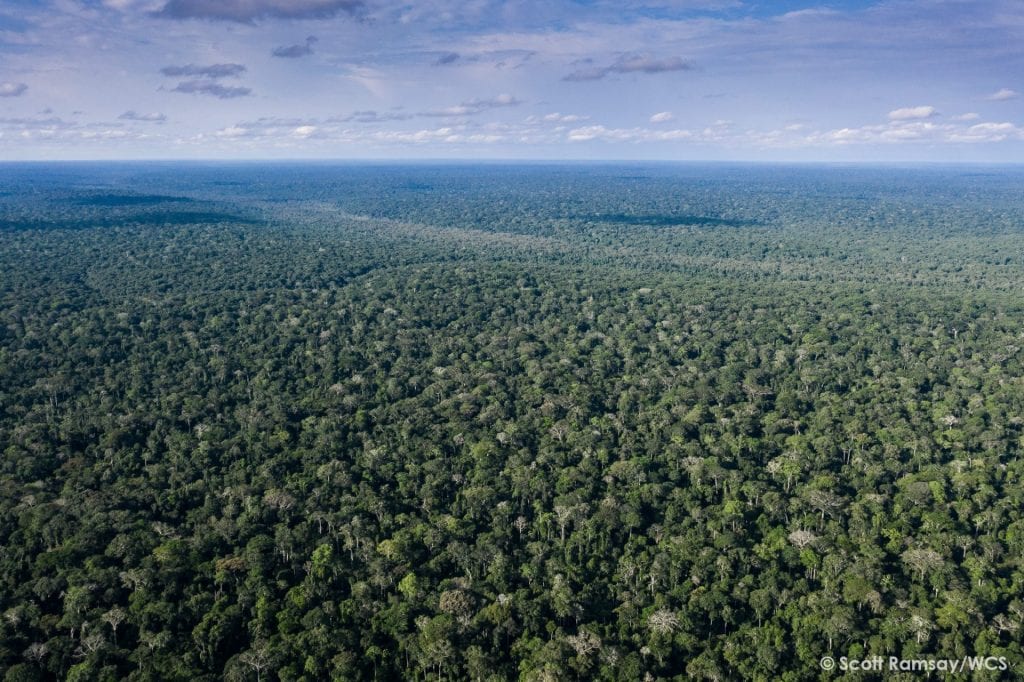
Dzanga-Sangha stands out as the safest park to discover the biodiversity of the Central African Republic. Travelers can enjoy an authentic and peaceful immersion in one of Central Africa’s best-preserved forests.
What souvenirs should you buy in the Central African Republic?
Bringing back a souvenir from a trip to the Central African Republic helps keep a connection with the people and places you visited.
Wooden sculptures and traditional masks reflect the history of local communities and their bond with nature. Textiles and beads are also popular, with each pattern and color sharing the identity of a people.
In the southwest or near Dzanga-Sangha, you will also find baskets, woven items, and small sculptures made by hand using local materials. These pieces are crafted with care and respect for traditional techniques.
For a meaningful souvenir, it is recommended to buy directly from artisans or local communities. This supports their work and contributes to local development.
What health precautions are required to enter the Central African Republic?
In the Central African Republic, the yellow fever vaccine is mandatory. Upon arrival, you will be asked to show a valid vaccination certificate. This vaccine protects the traveler and helps ensure the safety of local communities.
Getting vaccinated before departure is therefore essential to fully enjoy your stay and explore the country with peace of mind.