Tracking Western Lowland Gorillas vs. Mountain Gorillas: A Scientific Immersion
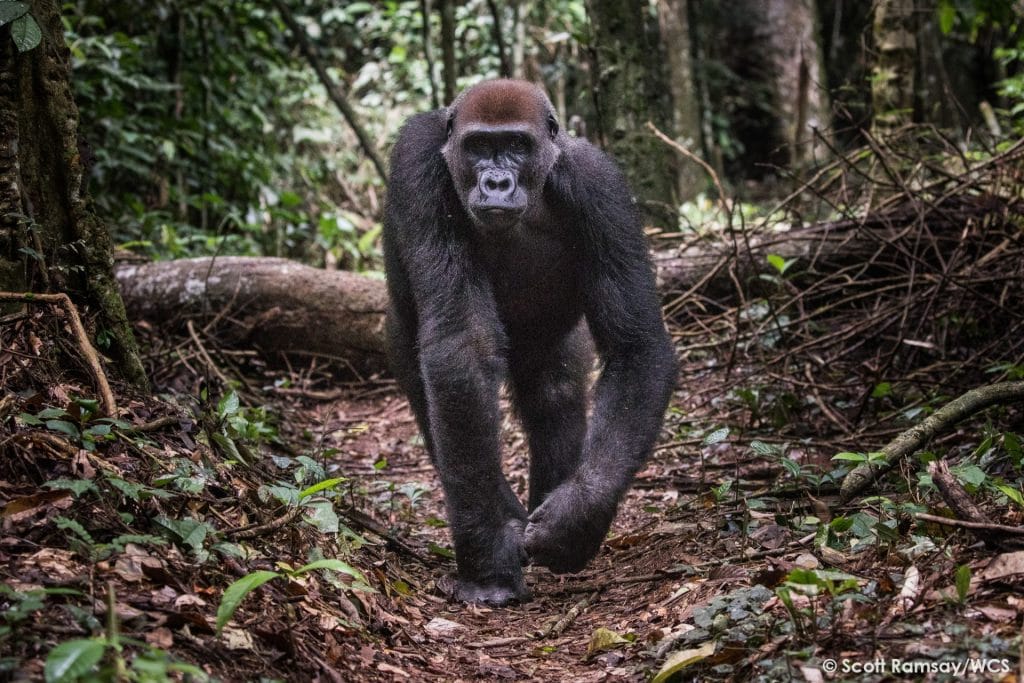
Tracking Western lowland gorillas allows travelers to discover the complexity of African ecosystems. These primates, belonging to the genus Gorilla, are divided into two main subspecies: the Western lowland gorilla (Gorilla gorilla gorilla) and the mountain gorilla (Gorilla beringei beringei).
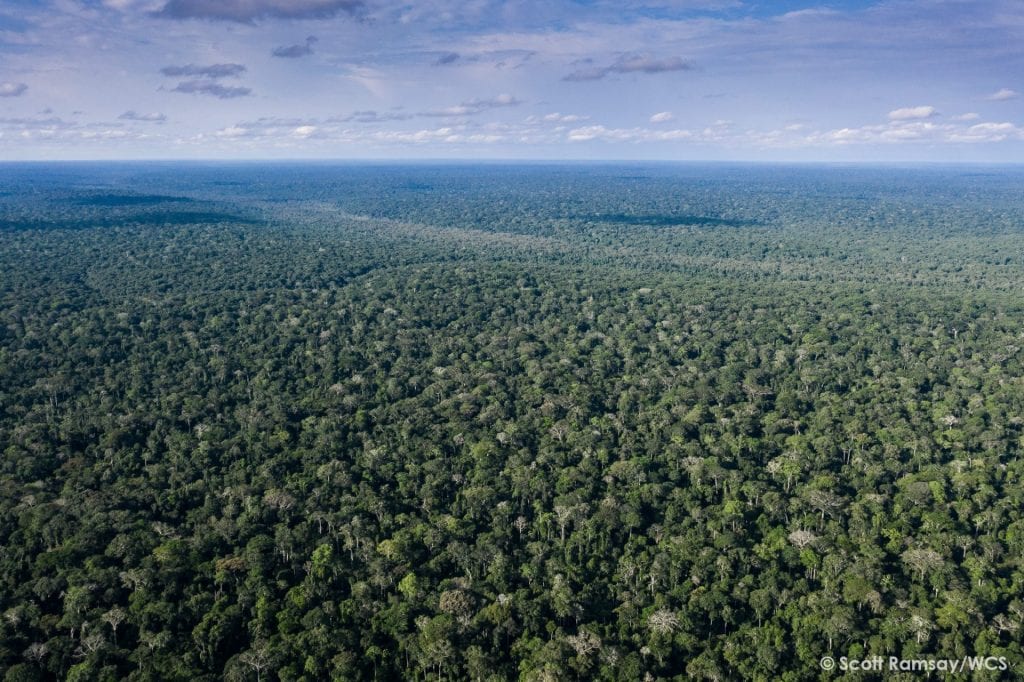
Western lowland gorillas live in lowland forests, swampy areas, and forest–savanna mosaics of the Congo Basin, while mountain gorillas inhabit submontane and montane forests of the East African volcanoes, at altitudes between 2,200 and 4,000 meters.
These primates play a key ecological role: they disperse seeds and serve as biological indicators of forest habitat health.
Where can gorillas be observed?
Western lowland gorillas can be seen at:
- Odzala-Kokoua National Park in the Republic of the Congo, where Expéditions Ducret, supporting local communities, has developed a gorilla habituation program. The group consists of around thirty individuals.
- Nouabalé-Ndoki National Park in the Republic of the Congo, where the park manager, WCS, has habituated three groups.
- Dzanga-Sangha National Park in the Central African Republic, near the border with the Republic of the Congo. Managed by WWF, the park has a habituated group that can be visited in small groups of up to three people. Limo, which means “the orphan” in the Ba’aka language, is the silverback leading this new group. The name pays tribute to gorillas lost over the years. The group includes 11 Western lowland gorillas (1 silverback, 6 females, and 4 juveniles).
Mountain gorillas
Mountain gorillas are found in Virunga, Volcanoes, and Bwindi National Parks, between the DRC, Rwanda, and Uganda.
What are the physical and behavioral differences between the two types of gorillas?
Tracking Western lowland and mountain gorillas highlights marked morpho-functional and behavioral differences. Western lowland gorillas have relatively lower body mass, proportionally long forelimbs, and mixed ground–tree locomotion, with daily movements of 4 to 5 km, linked to a mainly frugivorous diet.
Mountain gorillas show more developed musculature, higher bone density, and adaptations to steep terrain, associated with a diet dominated 70% by leafy vegetation.
Socially, both subspecies are structured around a dominant silverback.
Why is gorilla tracking essential in Congo?
Highlighting gorillas as a resource helps raise awareness of the need to preserve these great apes. It also allows the development of tourism products to diversify national economies. Congo is emerging as a key country in great ape conservation, with an estimated 200,000 gorillas currently within its territory.
What challenges do travelers face?
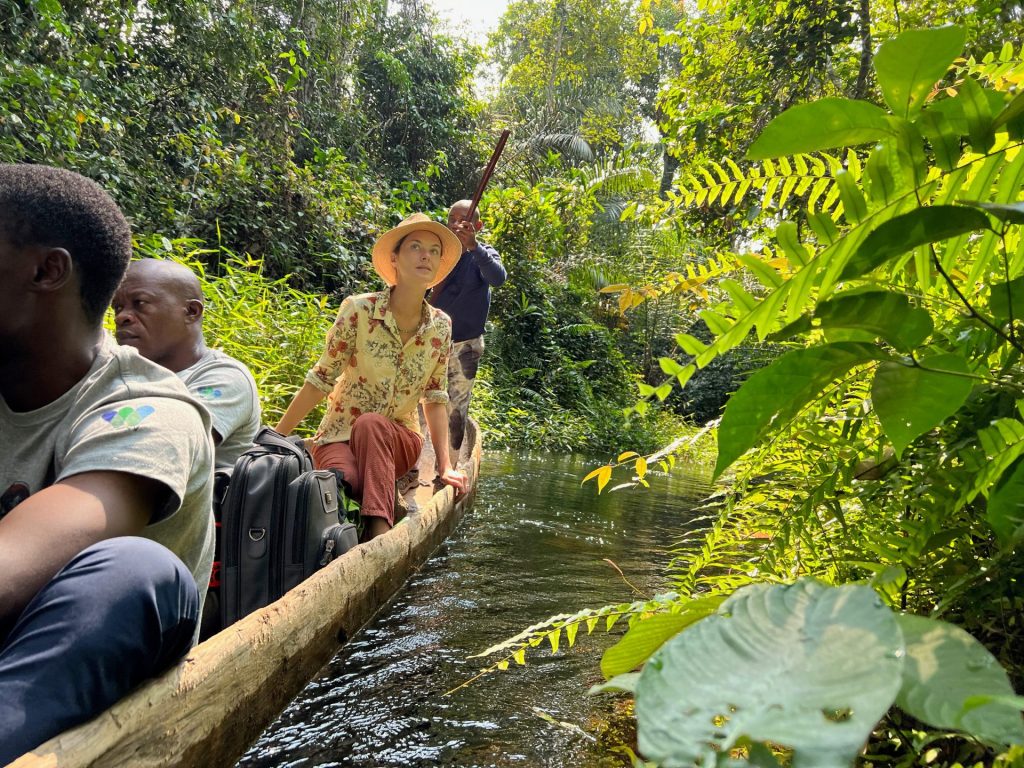
Participating in Western lowland gorilla tracking is not physically demanding. It is important to be able to walk for a few hours in the forest. A gorilla tracking excursion may require a two- to three-hour approach walk. Afterwards, it is often possible to stay near the group for about an hour.
Mountain gorilla tracking requires hikes on steep slopes and colder climatic conditions.
Tracking is always conducted with an experienced guide and trackers who open the trail and read ground signs.
What is the best time for tracking?
Tracking Western lowland gorillas is optimal during the dry season, when reading tracks on the ground is easier. This makes it easier for trackers to locate the group. Trackers usually follow the group until evening before leaving it overnight, then find it again in the morning.
Mountain gorillas can be observed almost year-round, with the best experience when rainfall is low.
How to prepare for tracking?
For safety, tracking Western lowland and mountain gorillas requires preparation suited to terrain conditions. Sturdy, non-slip shoes and clothing resistant to moisture and insects are essential. Maintaining a distance of 7 to 10 meters and limiting observation time to 60 minutes helps reduce gorilla stress and ensures maximum immersion in their natural behavior and forest or montane environment.
What unique experiences does tracking offer?
Tracking Western lowland and mountain gorillas reveals complex interactions within highly social primates adapted to distinct ecosystems. In the Western lowlands, family groups of 20 to 40 individuals move between understory and canopy, demonstrating agility and hierarchical organization.
In the mountains, gorillas navigate steep terrain, demonstrating strength, endurance, and strict social structure. Observing a silverback modulate interactions or watch over juveniles highlights the primates’ sensitivity and intelligence. Each tracking session provides deep immersion into gorilla natural behavior and habitat dynamics.
How does tracking contribute to conservation?
Demographic, behavioral, and spatial data obtained through tracking Western lowland and mountain gorillas are essential for protecting habitats and measuring group resilience.
This information supports forest regeneration programs and highlights the ecological role of gorillas in seed dispersal and forest structuring. Each field excursion as part of tracking directly contributes to conserving the forests of the Congo Basin and the eastern mountains, while deepening scientific understanding of these ecosystems.
IMAGE WCS Congo – copyright Scott Ramsay