Tracking the Western Lowland Gorillas
The Western Lowland Gorillas (Gorilla gorilla gorilla) are a subspecies of gorillas that live in the humid tropical forests and swamps of Central Africa. Particularly in Gabon, Equatorial Guinea, Cameroon, and the Republic of Congo.
What is the Western Lowland Gorilla Tracking and Why Do It?
Tracking the Western Lowland Gorillas involves following and observing these primates in their natural habitat. Tracking relies on the expertise of trackers and scientific teams, who can detect subtle signs left by the gorillas: still-warm nests, footprints. Food remains, or freshly broken stems. During tracking, a group of four visitors is often allowed at the same time to avoid disturbing the gorillas. Once the group is found, it is usually possible to observe them for about an hour.
Biological and Social Characteristics of the Western Lowland Gorillas
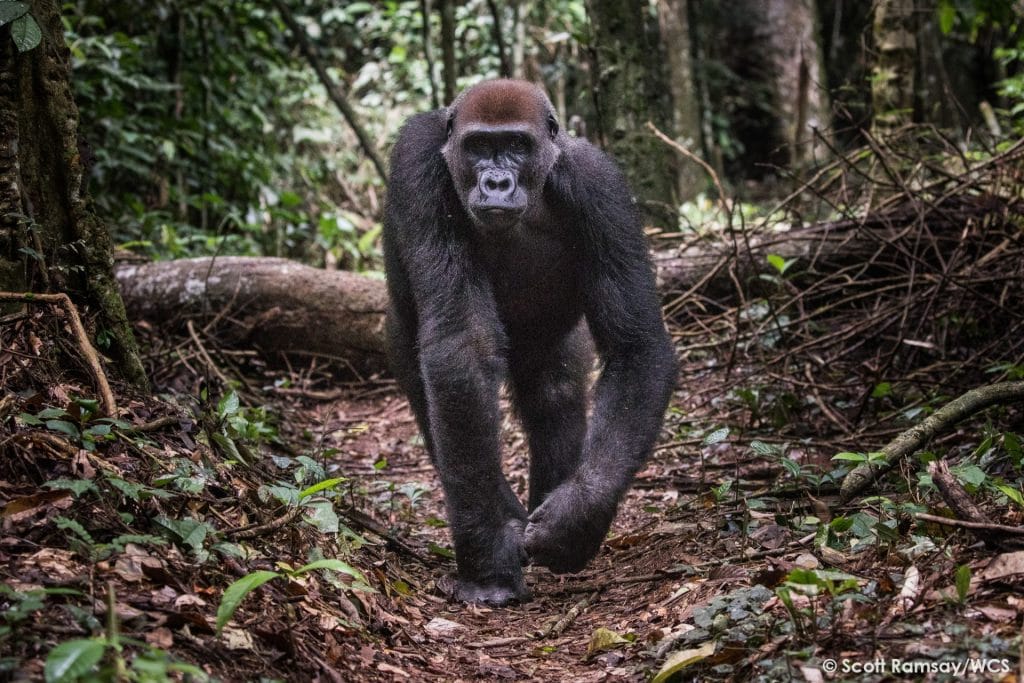
The Western Lowland Gorillas (Gorilla gorilla gorilla) have biological and social traits that make them particularly fascinating primates. Biologically, they are the largest existing gorillas. Adult males can reach about 1.70 meters in height and weigh up to 200 kilograms,. While females are smaller and lighter. Their fur is dark and thick. And adult males are distinguished by a wide silver-gray band of hair on their back, a sign of maturity and dominance. Their lifespan in the wild is approximately 35 to 40 years.
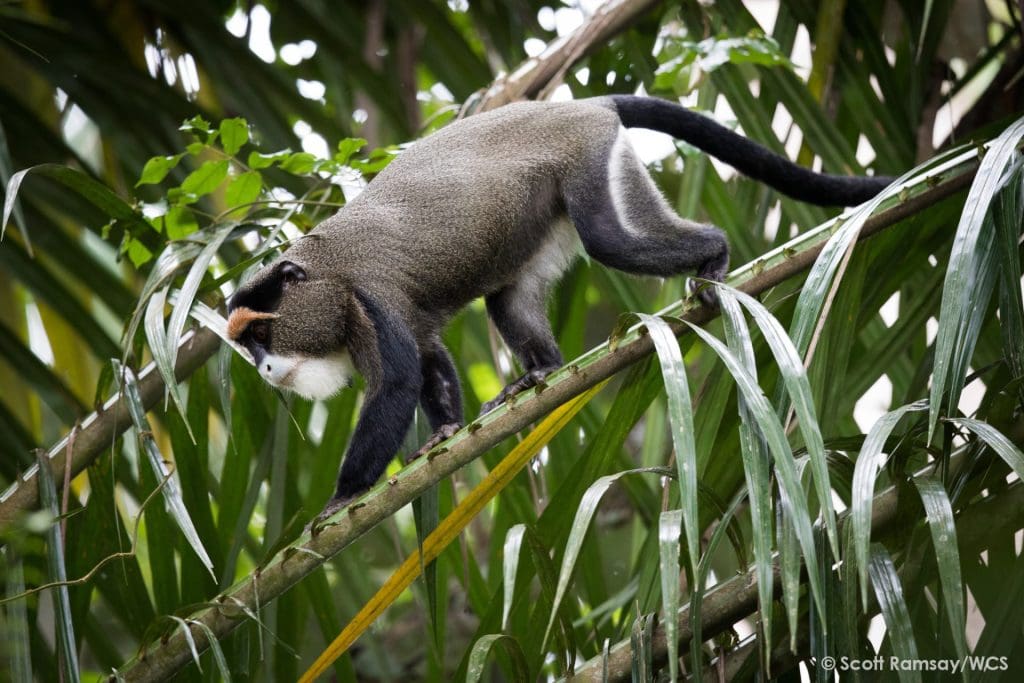
They are primarily herbivores, feeding mostly on fruits, but also on leaves, stems, bark, and occasionally insects, playing an important role in seed dispersal and maintaining the balance of tropical forests.
Socially, the Western Lowland Gorillas live in family groups generally composed of five to twenty individuals. These groups are led by a dominant male, called a silverback. Who ensures the group’s protection, decides movements, and maintains social cohesion. Females care for the young, who remain dependent on their mother for several years. Social relationships are strong and involve various interactions such as play. Grooming, and communication through sounds, gestures, and facial expressions. Despite their great physical strength, these gorillas are calm and peaceful animals, whose complex social organization contributes to the survival and stability of the group.
Best Season to Observe the Western Lowland Gorillas
The season greatly influences the success of tracking the Western Lowland Gorillas. The dry season (June–September and January–February) makes it easier to move through and see within the forest, while the wet season promotes fruit abundance. Making the gorillas more sedentary and allowing travelers to better study their feeding behaviors.
How Does Western Lowland Gorilla Tracking Differ from Mountain Gorilla Tracking?
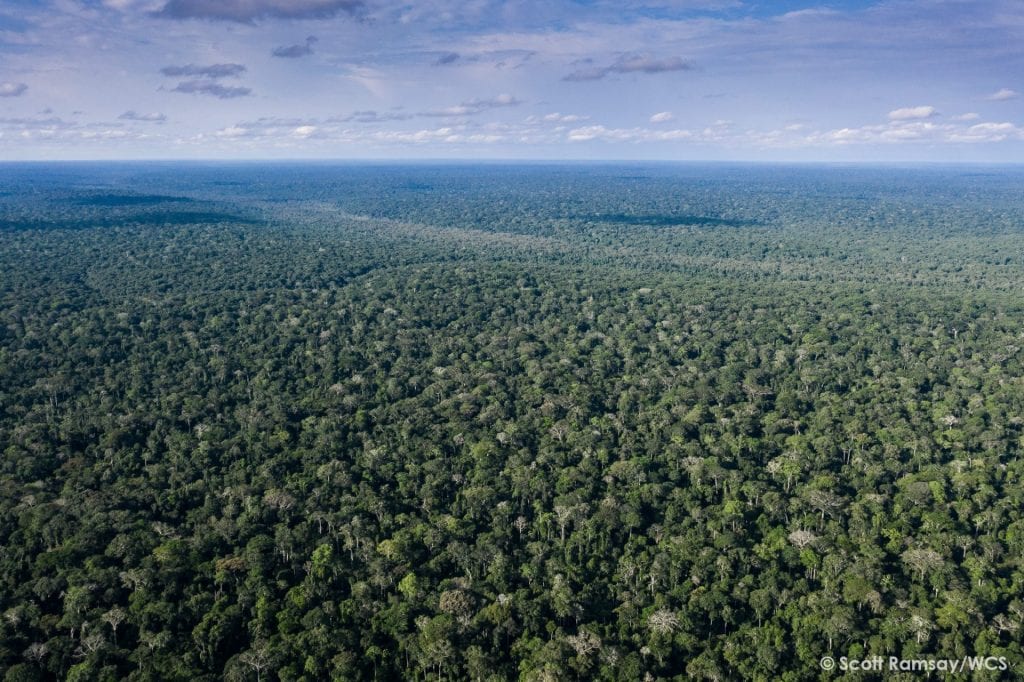
Tracking the Western Lowland Gorillas takes place in dense. Flat forest, offering an immersive and less touristy experience. The groups are dynamic and often visible. In contrast, mountain gorilla tracking occurs at high altitudes on difficult terrain, with strict supervision and high tourist traffic, making natural behaviors more challenging to observe.
What Does a Typical Tracking Day Look Like?
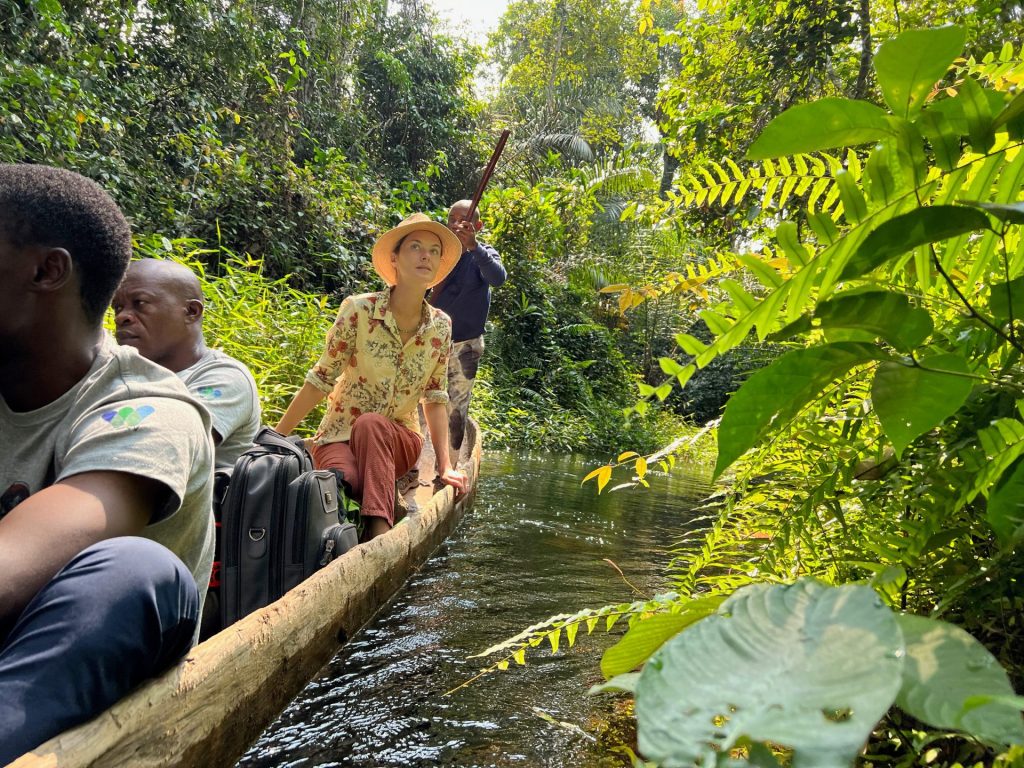
On a typical day, tracking the Western Lowland Gorillas begins with a scientific briefing on safety instructions and observation techniques. Travelers follow trackers in single file. Observing recent gorilla tracks. Observation time varies from 30 minutes to 4 hours depending on forest density and group movements, with masks required to protect the primates.
Where to Track the Western Lowland Gorillas
The main sites for tracking the Western Lowland Gorillas include Dzanga Sangha Park (Central African Republic) and Nouabalé-Ndoki Park (Congo). Dzanga Sangha allows visitors to follow gorillas in their daily lives and understand their social interactions. Nouabalé-Ndoki combines observation and scientific monitoring, offering travelers an immersive and educational experience.
Is Tracking the Western Lowland Gorillas Safe?
Yes, tracking the Western Lowland Gorillas is safe thanks to experienced trackers. Respecting minimum distances, avoiding sudden gestures. And wearing masks ensures participants’ safety and minimizes impact on the gorillas, who remain calm and tolerant.
Can Young People Participate in Tracking?
Only adolescents aged 15 and older can participate in tracking the Western Lowland Gorillas. To protect gorilla health and ensure that participants can follow sometimes long and challenging trails while fully enjoying the immersive experience.
Scientific and Educational Value of Tracking the Western Lowland Gorillas
Tracking the Western Lowland Gorillas allows travelers to understand the density. Social structure, and habitat use of these primates. Each observation provides crucial information for conservation and raises awareness of the importance of protecting the tropical forests of the Congo Basin.