Gorilla Tracking: An Adventure in the Heart of the African Forest
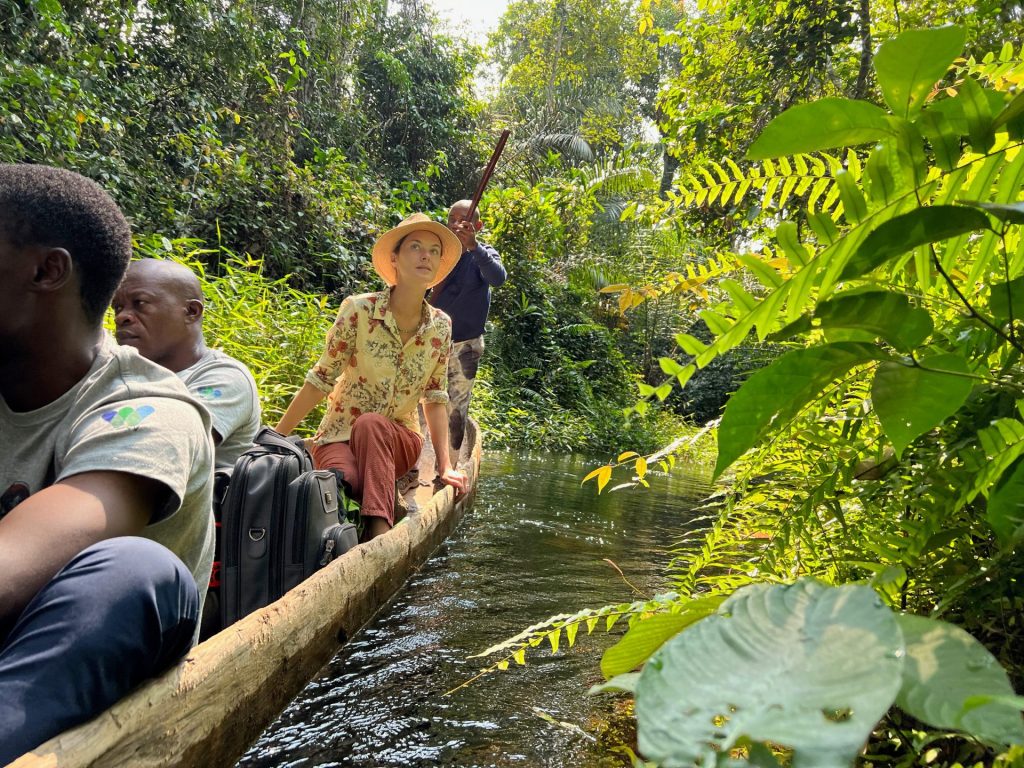
Gorilla tracking begins as soon as you arrive at the camp. Guides and trackers welcome you, explain how to walk, how to observe without disturbing, and why it is important to wear a mask. Every gesture counts, and you quickly sense that each instruction is designed to ensure a safe and respectful experience.
What is Gorilla Tracking?
Gorilla tracking involves following a group of gorillas in their natural habitat to observe them and discover their behavior. It is not just observation; it is understanding how they move, interact, and live daily. Each group has its own habits and rhythms, making every tracking experience unique.
Where is Gorilla Tracking practiced?
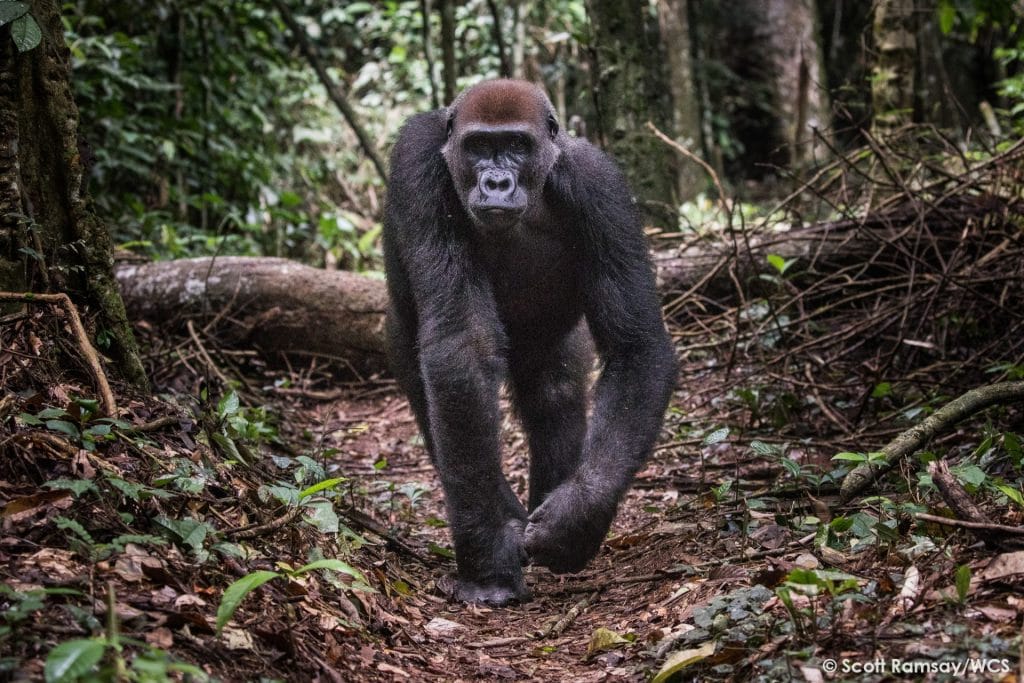
The locations for gorilla tracking depend on the subspecies. Western lowland gorillas primarily live in the Republic of the Congo, the Central African Republic, and Equatorial Guinea. Recommended sites include Nouabalé-Ndoki National Park, Odzala-Kokoua National Park, Dzanga-Sangha National Park, and the Lesio-Louna Sanctuary, where guides and scientists work to protect gorillas.
Mountain gorillas are found in the volcanic forests in Eastern Congo, Rwanda, and Uganda, notably in Virunga National Park, Volcanoes National Park, and Bwindi Impenetrable National Park.
How should one behave during Gorilla Tracking?
Silence is essential in the presence of gorillas. No talking, no sudden movements: animals must be allowed to behave naturally. Follow the guides’ instructions exactly, maintain a respectful distance, and wear the provided mask to prevent disease transmission. Gorilla tracking relies on careful observation and full respect for the gorillas’ space.
What does a typical Gorilla Tracking day look like?
The day begins at sunrise with a briefing. Then travellers enter the forest and walk toward the location where the trackers left the gorilla group the previous evening. Habituated groups are visited daily by trackers to maintain contact. During the walk, trackers read tracks and footprints and follow sounds and calls. When a group is sighted, the trackers alert the gorillas to the presence of visitors. Then visitors approach to observe the gorillas from about ten meters away. It is possible to see them feeding, interacting, or playing.
What differences are observed between the two types of gorillas?
Western lowland gorillas are very agile, comfortable in trees, and capable of long walks. They display strong social intelligence within the group and use many signals to communicate.
Mountain gorillas are impressive for their strength and musculature. Their strong jaws allow them to crush thick stems, and their endurance enables them to traverse steep terrain.
Why is Gorilla Tracking important?
Gorilla tracking supports both conservation and the local economy. Fees contribute to the protection of parks and sanctuaries and help develop community projects that encourage coexistence with these wild species. In management agreements, local communities often benefit from jobs created (guides, trackers, and forest rangers).
What challenges do visitors face?
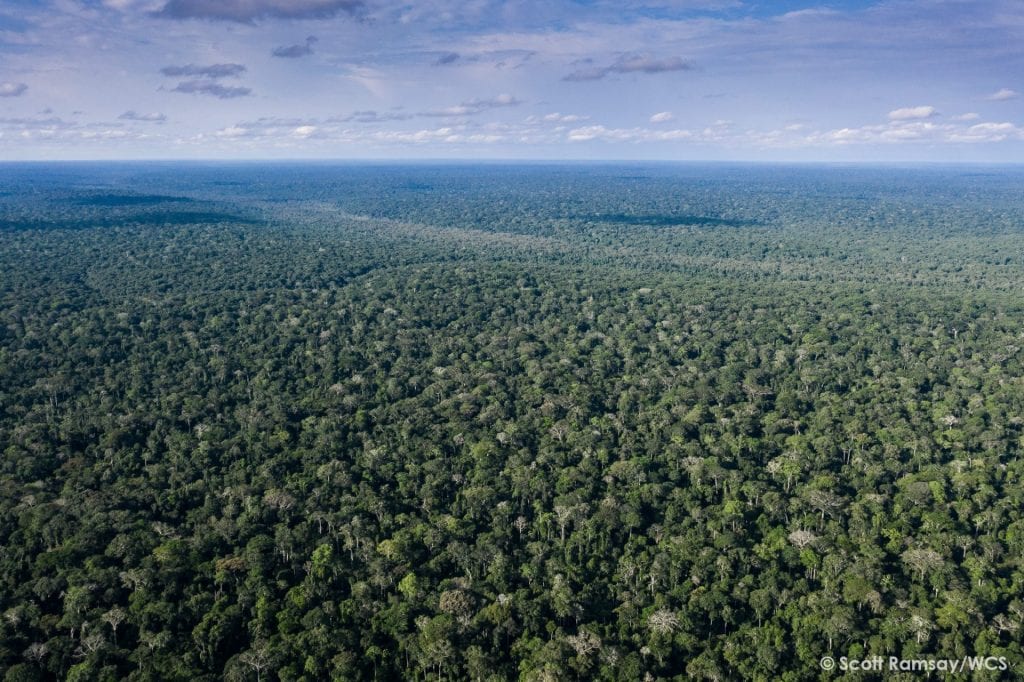
Gorilla tracking can be demanding. Forests in the Western lowlands are sometimes swampy and very dense, while mountains require walking on steep slopes in cooler, more humid conditions. Gorillas are wild animals that move freely. Visiting them requires patience waiting, walking, and finally seeing them. Sometimes, a group may not be located on a given day.
What unique experiences does Gorilla Tracking offer?
Gorilla tracking is much more than simple observation. Western lowland gorillas demonstrate agility and sociability, while mountain gorillas impress with their strength, endurance, and protective behavior toward their group. Tracking gorillas is a remarkable experience to live.
Tips for fully enjoying Gorilla Tracking
For a successful gorilla tracking experience: wear appropriate clothing (long sleeves to protect against insects). In some forests and in humid conditions, tiny flies can be bothersome, so a hat with a mesh covering may be useful. Follow the guides’ instructions, maintain silence, and keep a safe distance from the animals. Avoid shouting, panic, or agitation, which could be perceived as a threat by gorillas. Traveling during the dry season makes walking easier, as vegetation is less dense.
Congo is an excellent destination for observing gorillas. Les Expéditions Ducret will be happy to organize your tracking experience, and why not at the brand-new site they are setting up in support of a village developing habituation!
IMAGE WCS Congo – copyright Scott Ramsay