Chimpanzees
The chimpanzee (Pan troglodytes) is a primate belonging to the family Hominidae, alongside humans, gorillas, and orangutans. It is considered one of the closest relatives of Homo sapiens, sharing approximately 98–99% of its DNA with humans. This genetic proximity explains certain behavioral similarities, notably tool use, social alliances, and the cultural transmission of learned behaviors.
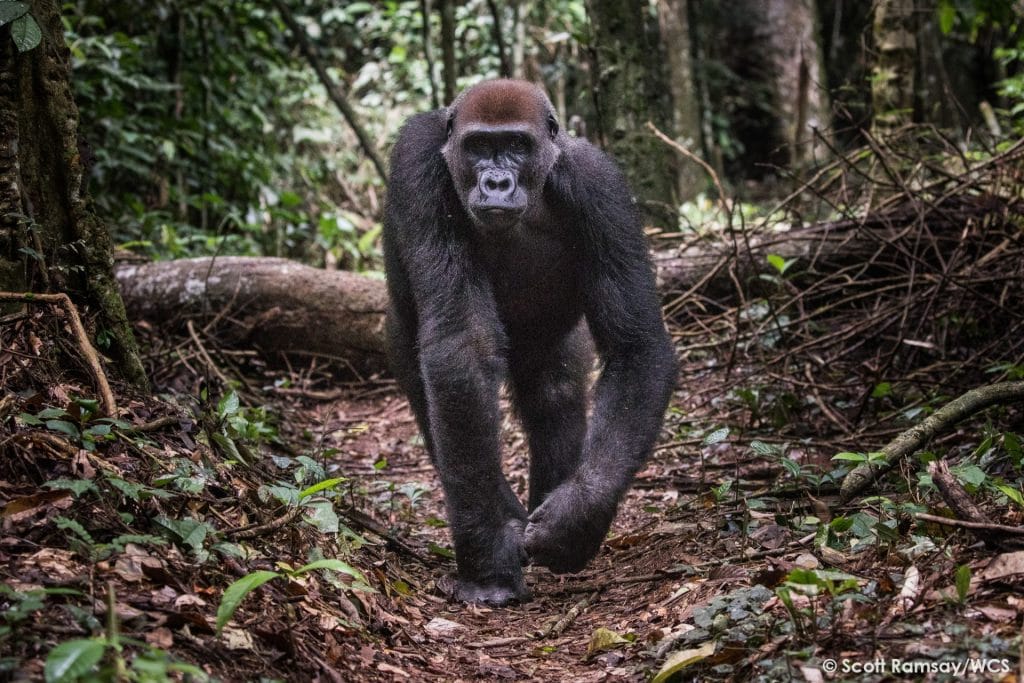
Chimpanzees are classified into four subspecies, two of which are present in Central Africa: Pan troglodytes troglodytes (Central African forest chimpanzee) and Pan troglodytes schweinfurthii (eastern chimpanzee). Morphologically, they have a robust body, long arms adapted for arboreal locomotion, and an exceptional ability to move on the ground. Their complex nervous system enables sophisticated social interactions and individual recognition within the group.
Chimpanzees are also major ecological indicators, as their presence reflects the health and integrity of tropical forests. The disappearance of local populations often signals significant ecosystem disturbance.
Chimpanzee Species and Subspecies in the Congo
In Central Africa, chimpanzees are mainly represented by two subspecies: Pan troglodytes troglodytes, found in the forested Congo Basin and southern Cameroon, and Pan troglodytes schweinfurthii, found further east in forest–savanna transition zones. Each subspecies has developed specific morphological and behavioral adaptations to local conditions
P.t. troglodytes is more robust and arboreal, perfectly adapted to dense, humid forests. It has strong musculature for climbing and canopy movement and a highly varied diet including fruits, leaves, and insects. P. t. schweinfurthii is slightly more slender and more terrestrial, also frequenting secondary forests and clearings.
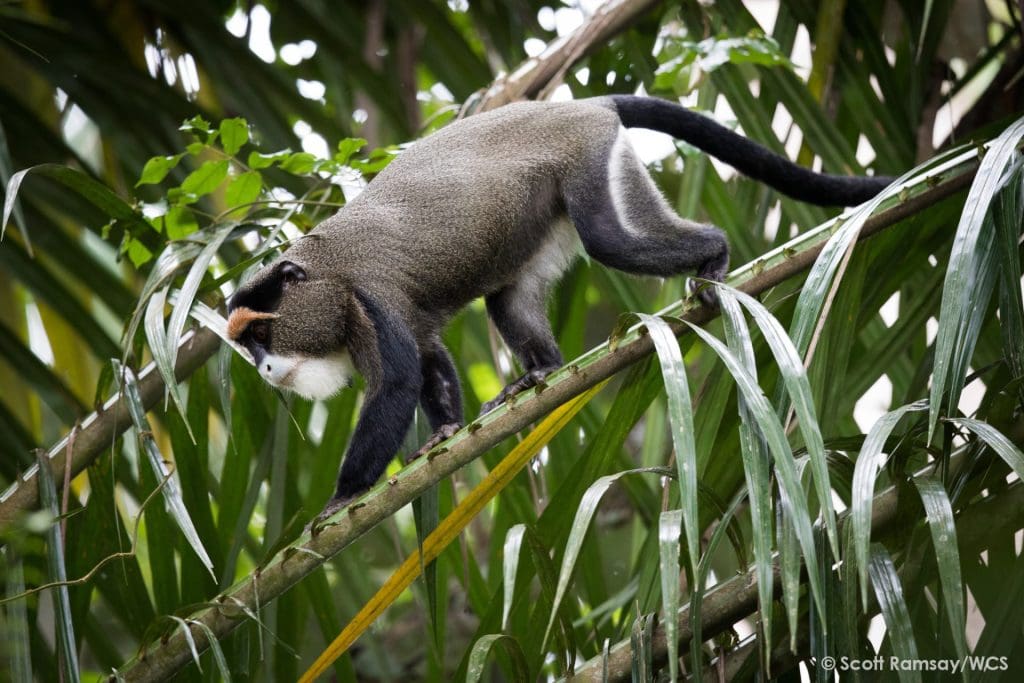
The distribution of subspecies is directly linked to forest structure and food resource availability. This diversity contributes to the biological richness of the region and the complexity of ecological interactions among primates.
Protecting each subspecies requires preserving forest corridors and national parks in order to maintain genetic diversity and ecological resilience of chimpanzees in Central Africa.
Parks for Observing Chimpanzees
The Congo offers protected areas and primary forests where chimpanzee observation is possible. Major sites include Nouabalé-Ndoki National Park, known for its dense primate populations, Odzala-Kokoua National Park, and the forests of Lefini and Likouala. There are also two chimpanzee sanctuaries in the Republic of the Congo where observation is easier: Tchimpounga Sanctuary, managed by the Jane Goodall Institute, and Conkouati Sanctuary, managed by Help Congo.
Direct observation remains difficult due to the discreet and sometimes nocturnal nature of chimpanzees. Researchers use camera traps, tracks, and nests to study their movements. The best periods for observation often correspond to the dry season, when forest floors are less muddy and vegetation is less dense, facilitating movement and visibility.
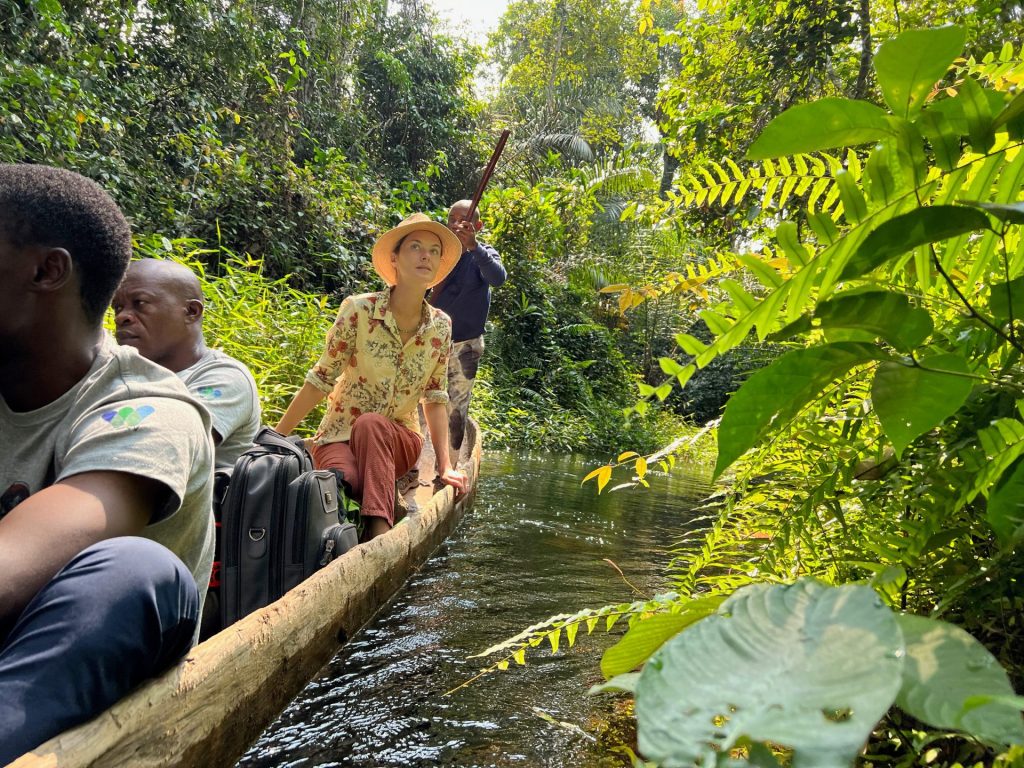
Each site has its own characteristics: some offer developed trails for scientific monitoring, while others remain completely wild, allowing chimpanzees to be seen in an intact natural environment. The presence of experienced forest guides and trackers is essential to minimize disturbance to the animals.
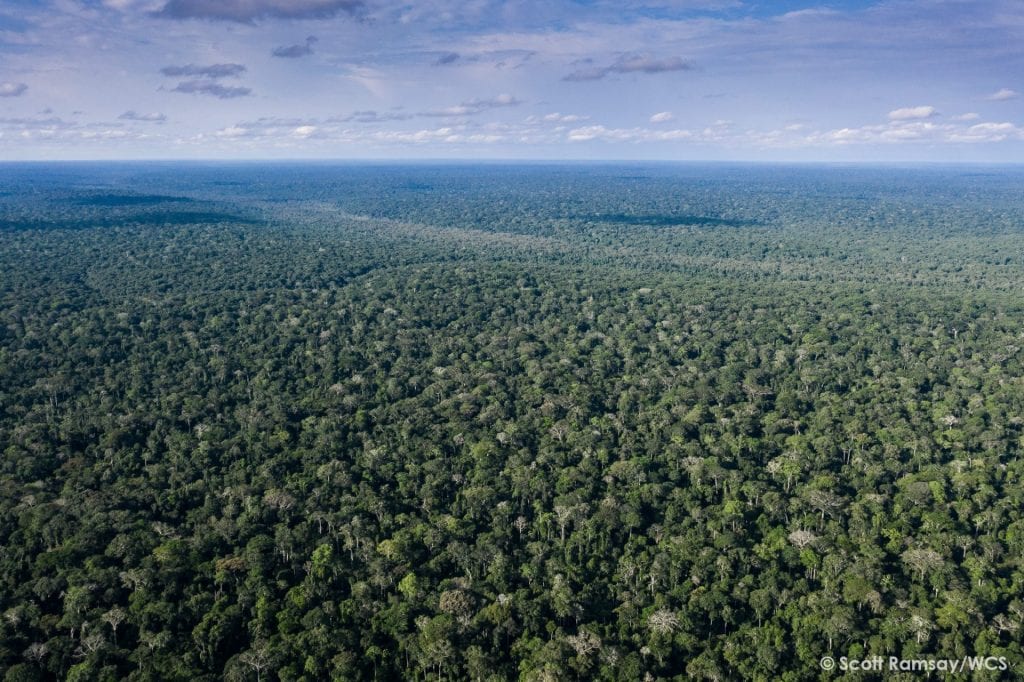
Maintaining these parks and protecting these forests are essential to ensure the survival of chimpanzee populations and the continuity of Congo Basin ecosystems.
Behavior and Social Organization of Chimpanzees
Chimpanzees live in multi-male, multi-female communities, organized into fluid subgroups that split and reunite depending on food availability. Social hierarchy is based on dominant alpha males, who influence alliances and reproduction, while females play a central role in raising young.
They use complex communication including vocalizations (screams, calls, pant-hoots), facial expressions, and gestures, allowing group cohesion and conflict resolution. Chimpanzees are also known for tool use, such as branches for termite fishing or stones for cracking nuts, demonstrating advanced intelligence.
Social interactions are crucial: grooming, play, and alliances strengthen bonds and facilitate cooperation in hunting and defense against predators. Group behavior varies according to population density and resource availability.
Feeding Habits and Ecology
Chimpanzees are opportunistic omnivores, consuming a wide range of foods: fruits, leaves, seeds, insects, and occasionally small vertebrates. Their diet varies seasonally according to resource availability, directly influencing their behavior and spatial distribution.
By dispersing seeds through their feces, they actively contribute to forest regeneration and the maintenance of plant diversity. Their diurnal activity also contributes to soil aeration, fungal propagation, and insect population dynamics. These interactions make them indispensable ecological engineers for tropical forest health.
Chimpanzees adapt their diet to their habitat: arboreal populations consume more canopy fruits, while populations closer to the ground feed more on leaves and understory insects.
Tips for Observing Chimpanzees
To observe chimpanzees, it is crucial to respect their habitat and natural behavior. A minimum distance of 10 meters is recommended to avoid stress. Observers should prioritize expeditions guided by experienced forest rangers or biologists.
Identifying chimpanzees relies on observing tracks, nests, and droppings, as well as following characteristic calls. Nests, built each evening, help locate group presence. The dry season is preferable for visits, as reduced vegetation density improves visibility and eases movement.
Threats and Conservation of Chimpanzees
Central African chimpanzees are endangered mainly due to deforestation, poaching, and disease. Logging, illegal agriculture, and armed conflicts fragment their habitat, isolating populations and reducing genetic diversity. Hunting for bushmeat is also a major threat, directly affecting the most accessible groups.
Conservation relies on protecting national parks, creating forest corridors, and banning the bushmeat trade. Scientific monitoring programs and ecotourism initiatives contribute to preserving these populations while generating sustainable income for local communities.