The Congo River: Power, Stability, and a Treasure of the Two Congos
The Congo river is one of the largest hydrological giants in the world and a true backbone of Central Africa. Located between the Republic of Congo (Congo-Brazzaville) and the Democratic Republic of Congo (DRC), it separates the twin capitals of Brazzaville and Kinshasa and connects mountains. Tropical forests, floodplains, and villages. With its 4,700 kilometers. Impressive flow, and tributaries spread across various climatic zones, the Congo river is more than just a watercourse: it is a source of life, energy, and culture for millions of people. Its exceptional depth, biodiversity, and the hydroelectric dams it feeds, notably the Inga complex, make it a river unique in the world.
What is the origin of the Congo river?
The Congo river originates in the High Plateaus of southeastern DRC. Through the Lualaba River. These plateaus gather several streams that converge to form the Congo River. Crossing dense forest areas and traditional villages. It irrigates the land and becomes a vital route for Brazzaville and Kinshasa. The origin of the Congo River explains its power and the regularity of its flow, as well as its strategic role in navigation and hydroelectric energy.
What is the length and depth of the Congo river?
The Congo river stretches approximately 4,700 kilometers. Making it the second-longest river in Africa after the Nile. Its depth can exceed 220 meters in some sections near Kinshasa. Making it the deepest river in the world. This combination of length and depth allows the Congo River to support safe and regular navigation between Brazzaville and Kinshasa and to feed strategic hydroelectric dams.
Does the flow of the Congo river vary?
The Congo river maintains an almost constant flow throughout the year. Which is exceptional for a river of this size. This stability is due to its numerous tributaries located in different climatic zones. When some tributaries, such as the Ubangi or Sangha. Are in a dry period, others, such as the Kasai, Lualaba, or Maringa-Lopori, take over. Thanks to this compensation mechanism, the Congo River remains the second most powerful river in the world after the Amazon, while also being the second slowest river after the Nile, ensuring a stable flow for populations and hydroelectric dams.
What are the main tributaries of the Congo river?
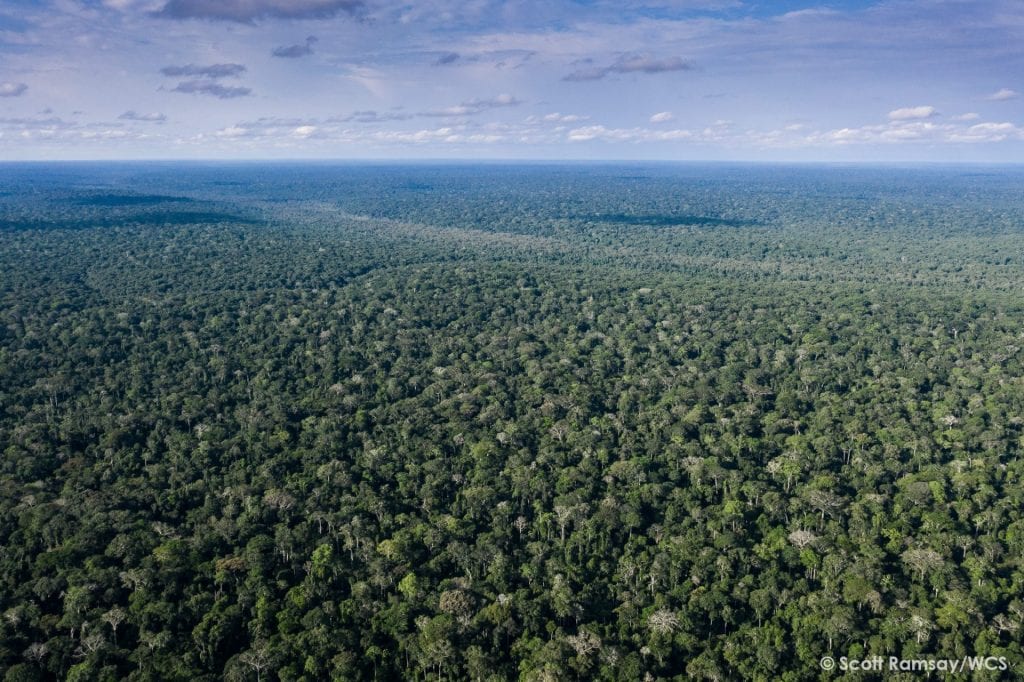
The Congo river receives constant input from rivers such as the Ubangi, Sangha, Kasai, Alima, and Lulonga. Each of these tributaries has a different hydrological regime depending on the season and geographical location. Which ensures the regularity of the Congo River’s flow. This hydrological complementarity makes permanent navigation possible and nourishes the plains, villages, and forested areas that depend on the Congo River for their survival and development.
Which dams are located on the Congo river and its tributaries?
The Congo river is a major axis for hydroelectricity in Central Africa. The Inga complex in the DRC is the most emblematic, including Inga I, Inga II, Inga III. And the future Grand Inga project, capable of producing up to 40,000 MW. Other dams exploit its tributaries: Zongo I and II, Mwadingusha, Mobayi-Mbongo, and Tshopo. These installations transform the Congo River into a true natural power station, supplying Kinshasa, Brazzaville.And several neighboring countries while contributing to the economic stability of the region.
The Congo river: a playground for adventure?
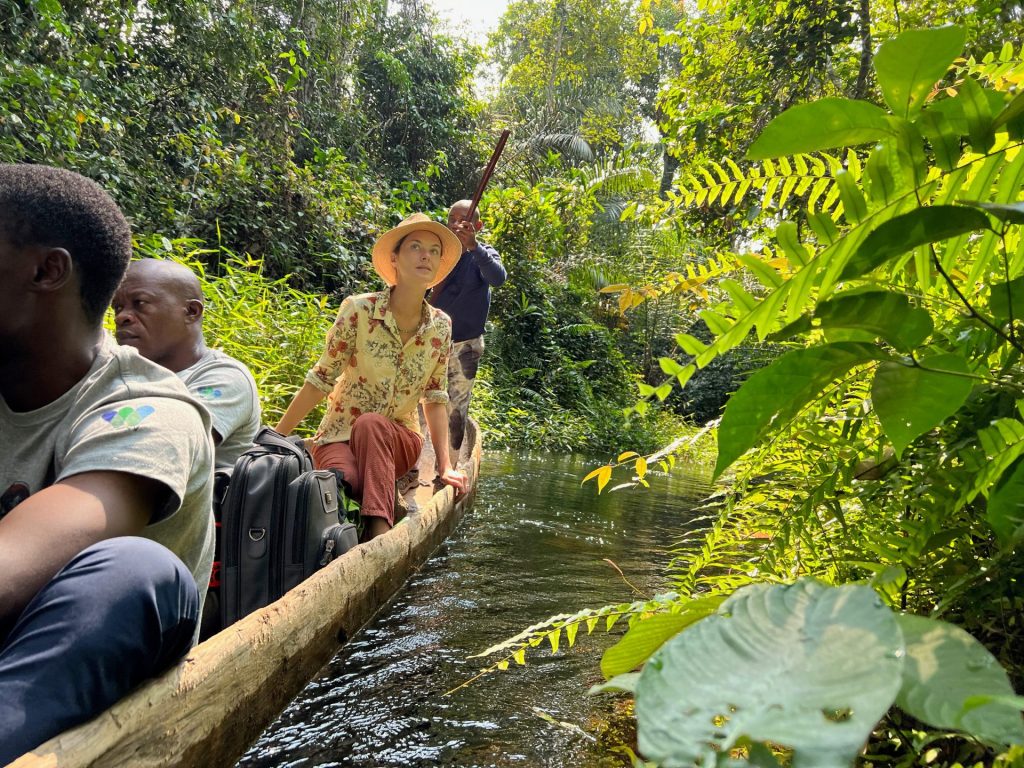
Aboard traditional dugout canoes, motorboats, or barges, the Congo has been a navigation route for centuries. The inhabitants of both banks use it to travel or transport goods. For travelers, the Congo River is a true adventure. For those ready to travel under basic conditions, it is possible to board barges going upstream from Kinshasa. Some do not always reach their destination. But the immersion will be the most authentic. For others, the ship Princesse Ngalessa provides connections during expedition cruises into the heart of the Congo Basin between Brazzaville and Ouesso or Oyo. It is currently the only vessel that allows expedition cruises under optimal safety and comfort conditions.
Why is the Congo river unique?
The Congo river is unique because of its constant flow. Exceptional depth, the diversity of its tributaries, and its role in hydroelectric energy. Between Brazzaville and Kinshasa. It connects the two capitals, nourishes the plains and tropical forests, feeds the dams, and sustains the lives of millions of people. For travelers, the Congo River is a cultural, ecological. And scientific experience that reveals the full grandeur and complexity of Central Africa.