History of Dzanga Sangha National Park
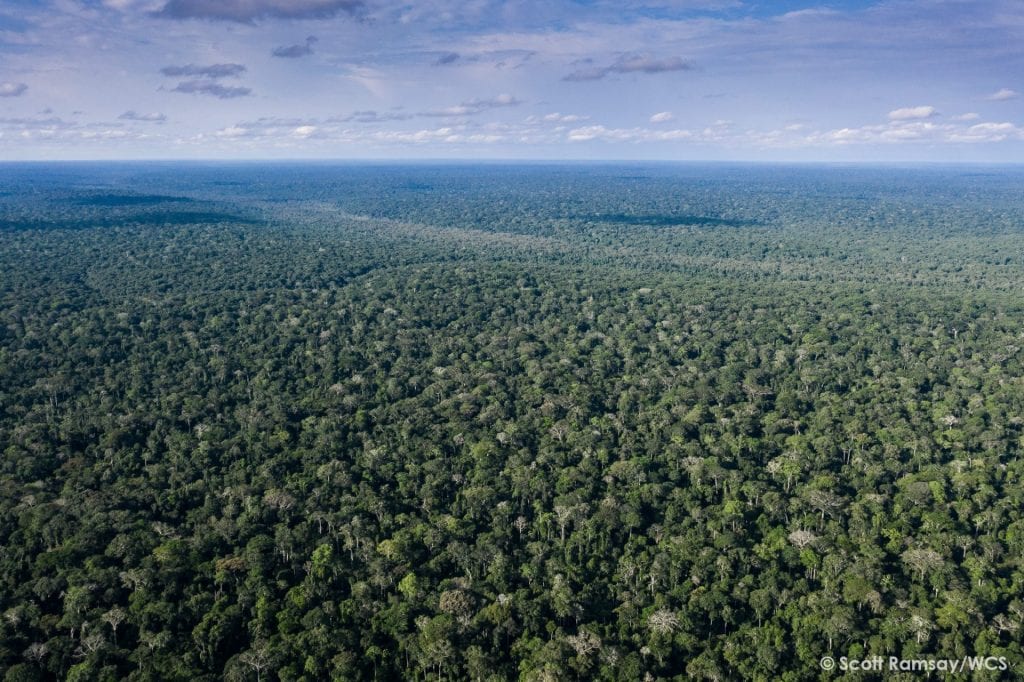
Dzanga Sangha Park was established on December 29, 1990, and covers an area of over 400,000 hectares. It is located in the Sangha-Mbaere Division, in the southwest region of the Central African Republic (CAR). The park is divided into two sectors: the Ndoki sector, which covers 725 km², and the Dzanga sector, which covers 495 km². The Park is a largely intact forest landscape protects endangered species in this UNESCO World Heritage Site.
Ecosystem of Dzanga Sangha Park
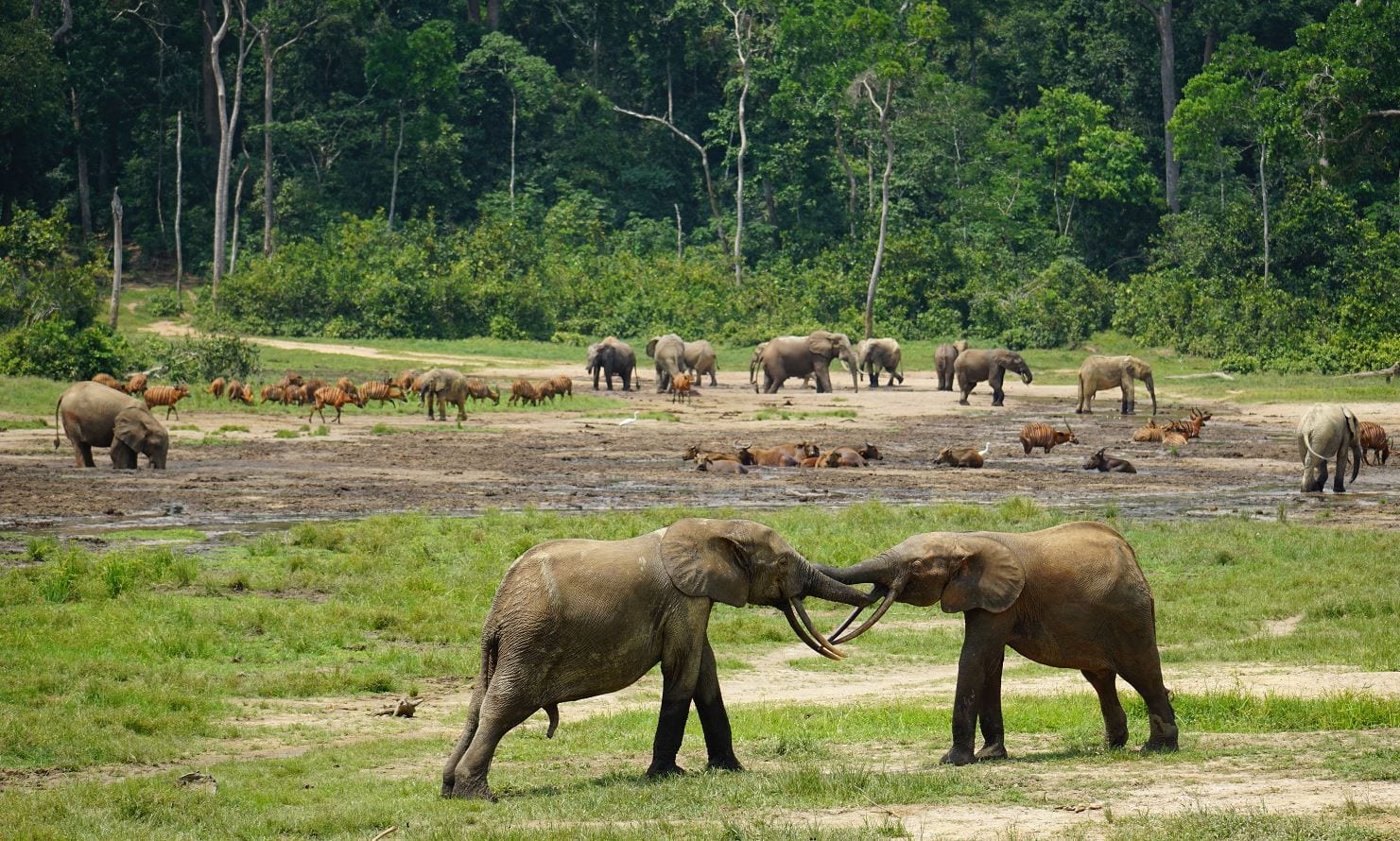
The Dzanga Sangha park is home to a diversity of ecosystems, including rivers, streams, marshes, typical grassy clearings, swampy areas, as well as a significant and diverse flora and fauna. The Dzanga Bai clearing, for example, is home to approximately 103 species of mammals, including 16 species of monkeys and 13 species of carnivores. Rodents are the most represented group with 33 species.
Iconic Fauna of Dzanga Sangha Park
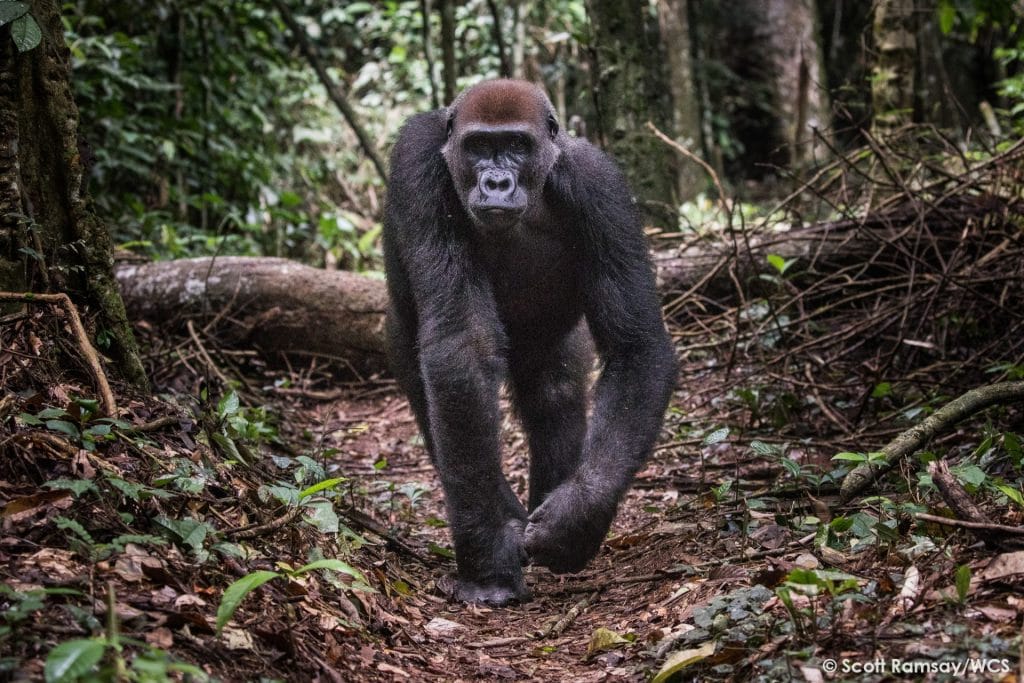
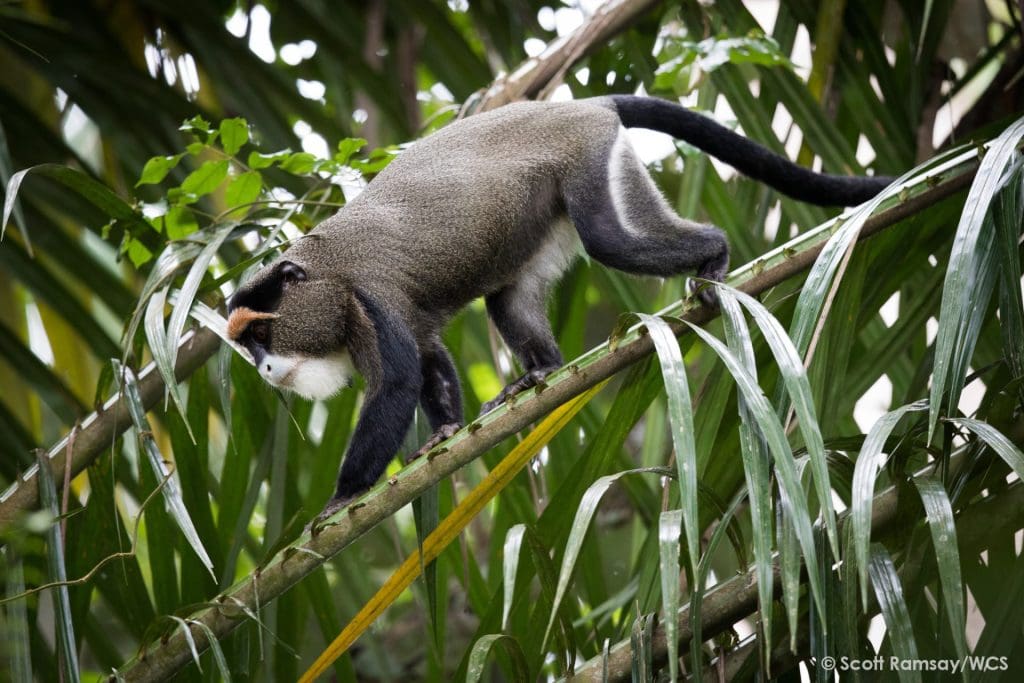
Among the Dzanga Sangha Park’s iconic species are the largest populations of forest elephants, western lowland gorillas, chimpanzees, colobus monkeys (locally called “Magistrates”) Mangabeys, bongos, large families of antelopes, African forest buffalo, bush pigs, forest hogs (giant wild boars of African forests), several species of duikers, the Cape aardvark, two species of pangolins, white-cheeked otters, panthers, and many other species.
Access of Dzanga Sangha Park
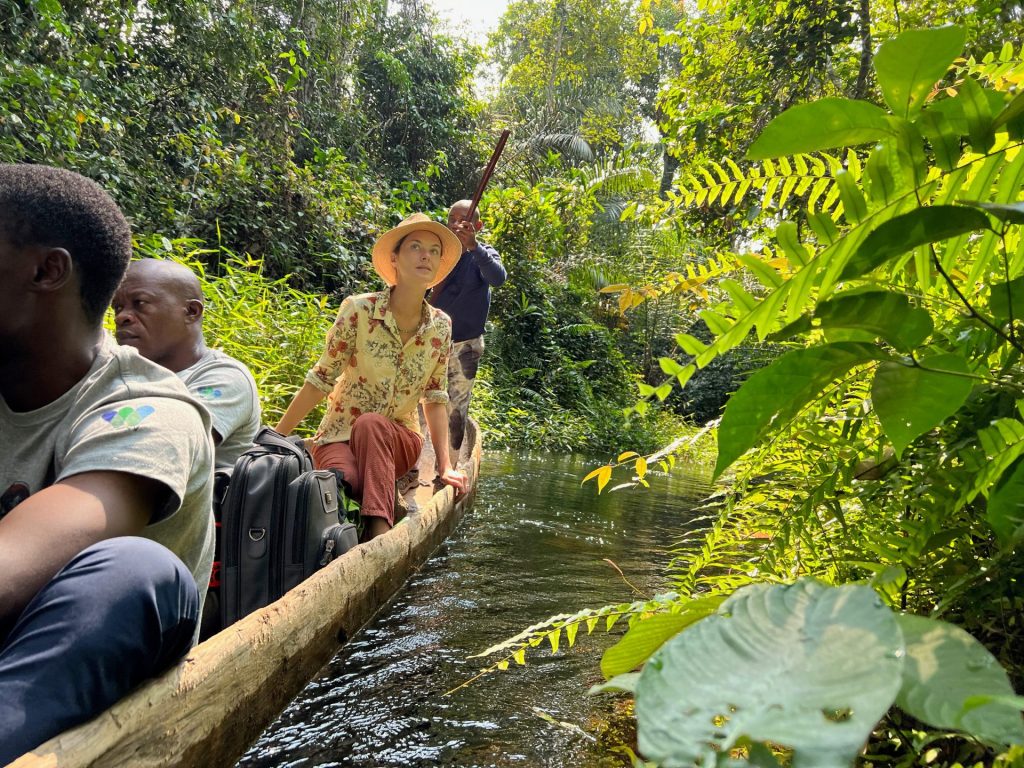
The Dzanga Sangha park is accessible by land and air. It is located in a remote region of the CAR, which can make access a little more complex, but the tourist infrastructure is well developed to accommodate visitors. Visitors can arrange their trip through local lodges, Doli Lodge or Sangha Lodge, or through Expeditions Ducret, which organizes cruises on the Congo River and the Alima and Sangha rivers. Some of their cruises end in Dzanga Sangha National Park, where it is possible to track gorillas.