The Sangha River: Understanding a Key Hydrological System in Central Africa
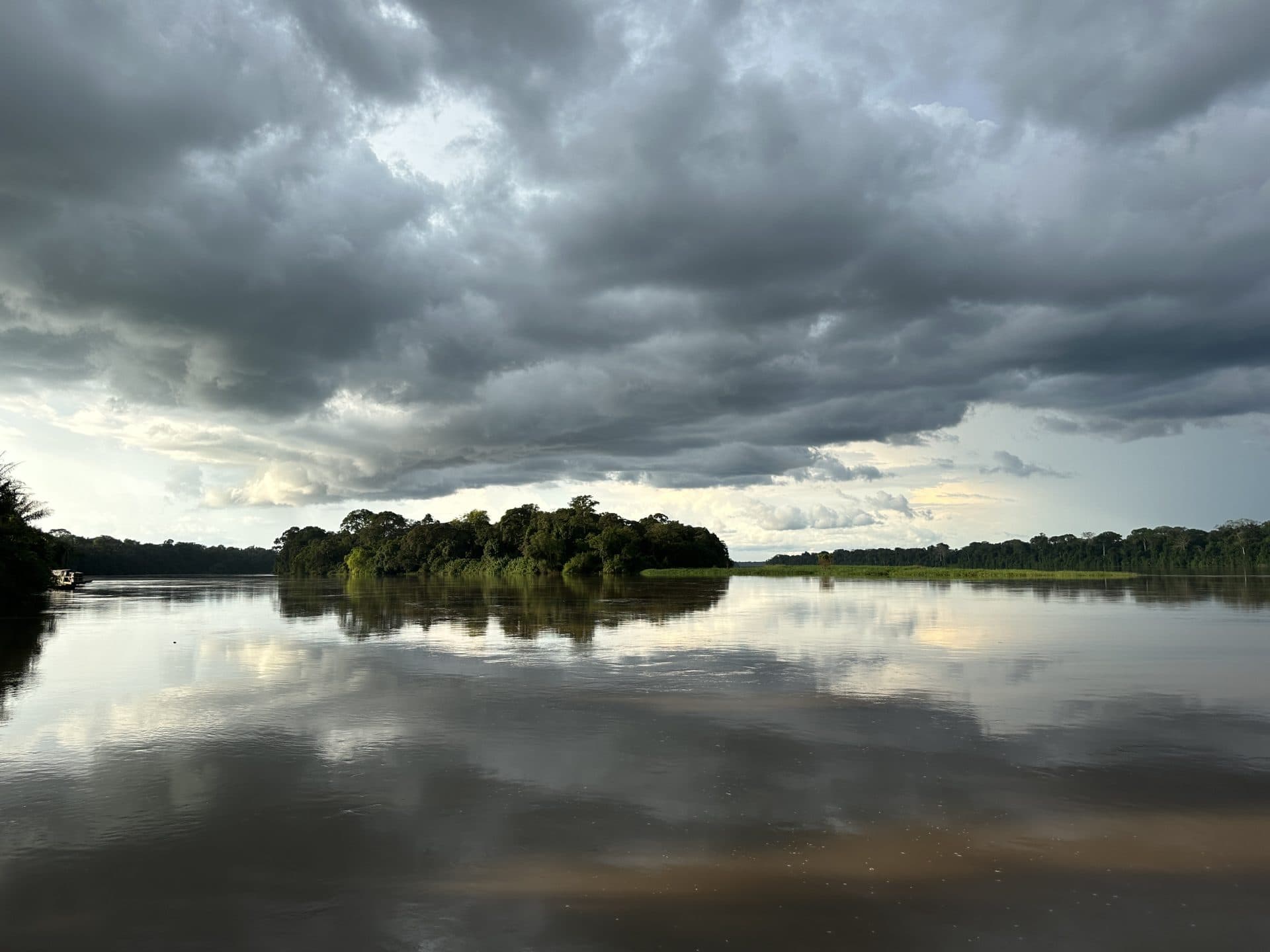
The river occupies a strategic position in the hydrographic network of Central Africa. Its basin, approximately 133,000 to 140,000 km², is fed by a complex set of secondary tributaries, whose flows vary significantly with the season. This variability shapes water currents, alters flow velocities, and directly affects areas where sediment deposits accumulate. Any expedition along the Sangha River must take these parameters into account, as they determine real terrain accessibility and navigation conditions.
How do the seasons affect the flow of the Sangha river?
From a hydrological perspective, the river exhibits a regime highly sensitive to climatic variations. Data collected at the Ouesso hydrological station show that discharge can range from 700 m³/s during low water periods to over 4,300 m³/s during peak floods, depending on the season. Researchers from the CRAFT / Hydrology & Freshwater Observatory project (Prof. Raphaël Tshimanga, Dr. Bernadette Nka Nnomo) study these flows to understand the impact of climate change and land-use on the river. This variability directly influences depth, current speed, and sediment deposition areas along the Sangha.
Why does the geology of the Sangha river so strongly influence navigation?
Geologically, the river follows ancient faults of the Precambrian basement, alternating between narrow gorges and wide river corridors. Areas where the basement is shallow expose rock blocks that affect navigation and the paths of aquatic species. More recent alluvial sectors present a wider and less stable riverbed. Understanding this geology is essential to anticipate seasonal movements and plan expeditions along the river.
Why are the forests along the Sangha River so different from each other?
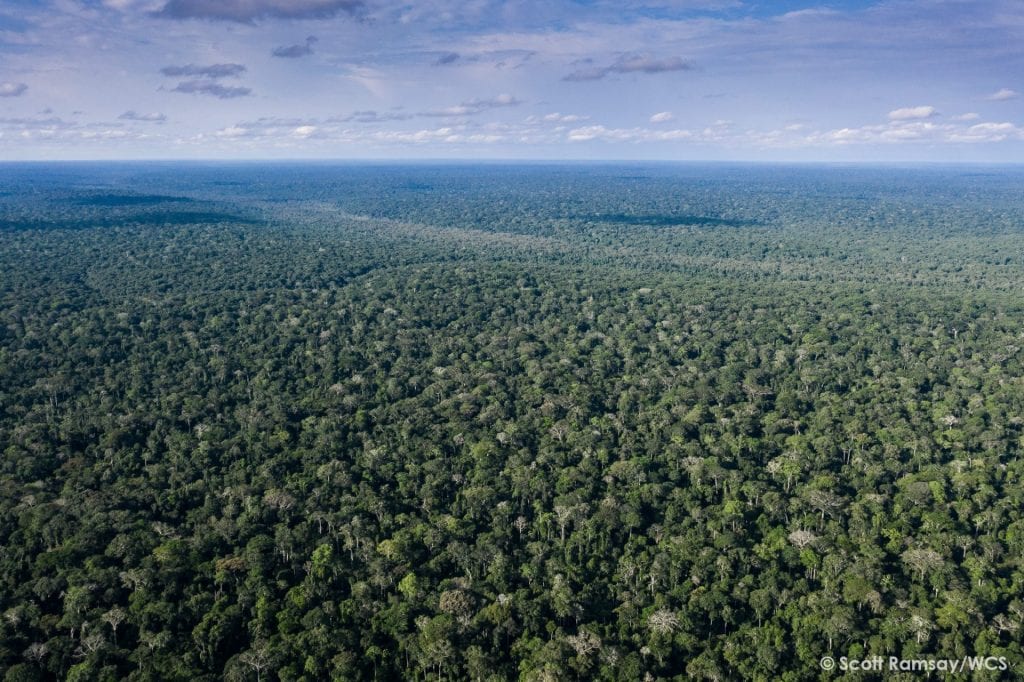
Proximity to the water creates measurable ecological gradients: more fertile soils, higher humidity levels, and varying plant composition. Botanists such as S.T. Ndolo Ebika and D.J. Harris have documented the presence of fig species and other riparian plants, highlighting their role in forest structure and resilience. These gradients explain habitat distribution and biodiversity patterns along the river.
How does the Sangha river naturally enrich surrounding ecosystems?
Biogeochemically, the Sangha functions as a natural nutrient distributor. Annual floods deposit a thin layer of organic and mineral matter on the banks, promoting forest regeneration and soil fertility. Without this alluvial deposition process, the ecological dynamics of the region would be far less stable. The Sangha River maintains this balance, which is crucial for riparian ecosystems.
How do local communities interpret the Sangha river to understand their environment?
For local communities, the Sangha river serves as an orientation system and environmental indicator. Water level, current speed, turbidity, and the appearance of sandbanks are interpreted as precise signals: upstream rainfall, riverbed changes, or the arrival of sediment-laden waters from other tributaries. These traditional knowledge systems are complemented by scientific measurements from the CRAFT project and guide fishing, navigation, and access to forested areas.
What types of habitats are encountered when navigating the river?
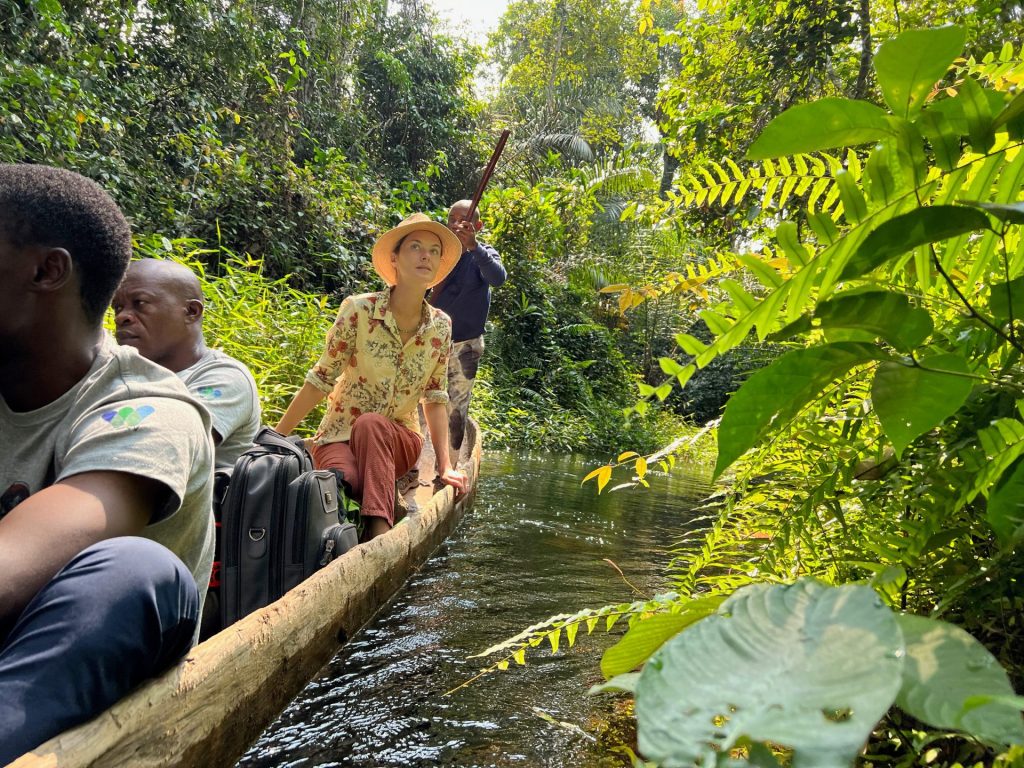
Navigation along the Sangha river reveals a succession of aquatic microhabitats. Some stretches have fast-flowing currents, favorable for oxygenation, while calmer zones allow organic matter to accumulate. The Sangha River Network (SRN) documents these areas as essential ecological corridors for many species and as locations where biodiversity can be observed in detail.
Why is the Sangha River essential for researchers and scientific programs?
Finally, the Sangha is a major scientific tool. It serves as a key axis for transporting field equipment, accessing research stations, and conducting long-term monitoring of forest ecosystems. Studies on animal population dynamics, soil composition, and hydrological cycles rely directly on the existence of the river. Without the Sangha River, much of the current knowledge about Central African forests and river basin biodiversity would be impossible to document.